Why your energy matters more than time
Most plans are built around time. But what actually determines how your day works is not time — it’s your energy.

Maya Collins
UX Writer at Nura
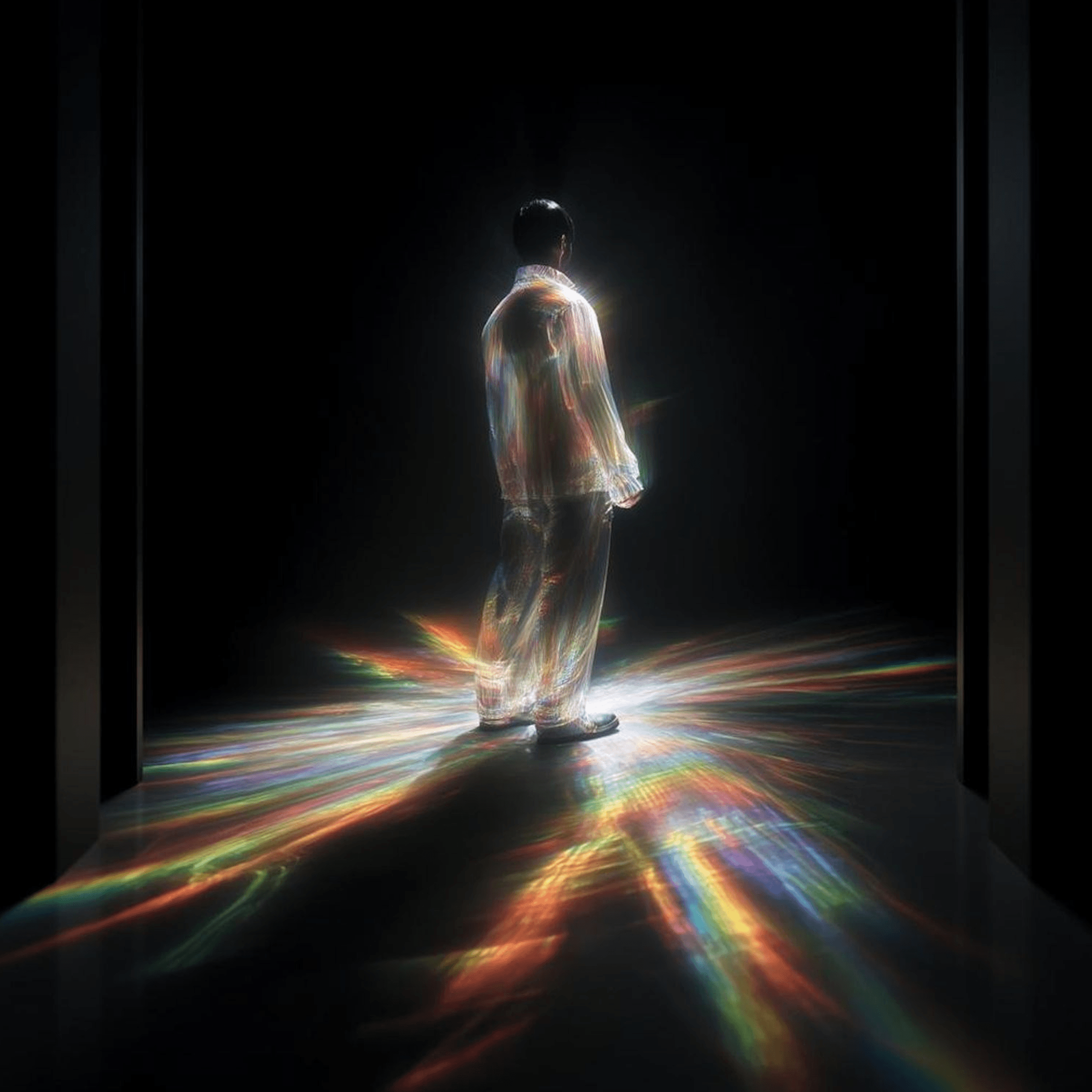
Why time-based planning falls short
When you plan only around time, you assume that every block is equally usable. But in practice, the same task can feel easy in the morning and difficult later in the day. Not because the task changed — but because your capacity did.
Ignoring this creates friction. You end up scheduling important work at the wrong time, and simple tasks start to feel heavier than they should.
The pattern most people miss
Energy tends to follow patterns. There are moments of high clarity, where thinking is sharp and decisions come easily.
And there are moments where focus drops, and progress slows down. The problem is not that these fluctuations exist. The problem is planning as if they don’t.
A different way to structure your day
Instead of assigning tasks purely by time, align them with your energy. Use high-energy periods for work that requires focus and decisions. Leave lower-energy periods for simpler or repetitive tasks.
This doesn’t require perfect tracking. It requires awareness.
What actually improves your day
A well-structured day is not one where every minute is used. It’s one where the right work happens at the right moment.
When your plan reflects your energy, everything feels lighter. You don’t push through the day — you move with it. And that’s what makes planning sustainable.
Continue exploring

When everything feels unclear, make your day simple again
Daily Planning
Smart Routines
Progress Tracking
Focus Sessions
Everything stays organized around what matters now, not what was planned earlier.

Nura Template
from
$79
Get template